The Honey Bee Classroom
The Honey Bee class is our largest and most vibrant classroom, accommodating up to 17 children per day. While the group is larger, we maintain lower-than-state ratios to ensure every child receives the nurturing attention they deserve. In this environment, our curriculum shifts its focus toward independence and advanced self-help skills, preparing children to navigate their world with confidence. We provide a balanced environment where children sharpen their academic foundations while reaching critical social-emotional milestones. Our mission is to graduate confident, empathetic learners who are fully prepared for a seamless transition to Kindergarten.
Our Targeted Learning Approach:
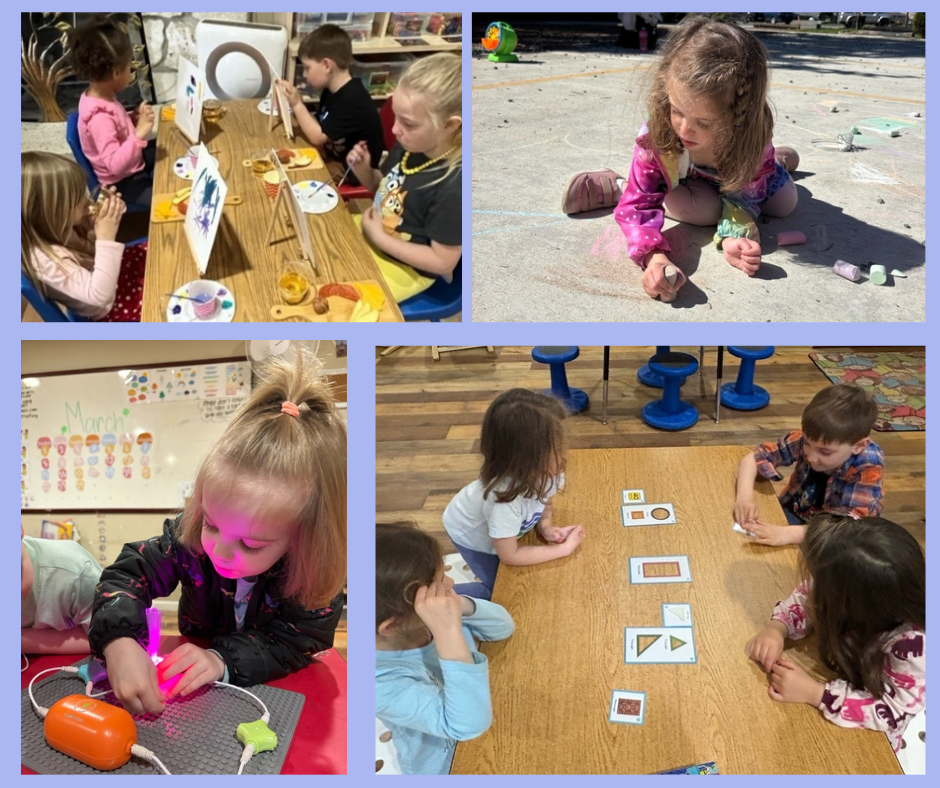
Small-Group Sessions: Every day, students participate in focused sessions designed to meet them exactly where they are. By working in smaller cohorts, our teachers can adapt activities to fit each child’s unique learning pace.
Data-Driven Instruction: We utilize regular developmental assessments as a roadmap. When these evaluations show a group is working toward a specific milestone, we intentionally tailor our activities to help them master those skills with confidence.
Kindergarten Readiness: This individualized attention ensures that every child leaves our program with the academic tools and emotional resilience needed for their next big step.
Intentional Play: Planning Time
Twice a day, the Honey Bees engage in Planning Time, a structured approach to free play that fosters intentionality and accountability. Instead of transitioning directly into play, children check in with a teacher to discuss which center they choose to explore.
How it Works:
Commitment & Accountability: Once a child chooses an area, they commit to that activity. When they are ready to move on, they must close their plan by cleaning up their station before making a new one.
Purposeful Engagement: This system has transformed our classroom environment, replacing aimless wandering with focused, goal-oriented play.
Strategic Guidance: Planning Time allows teachers to encourage children to explore new interest areas or partner with peers they may not typically interact with, broadening their social and developmental horizons.
Indoor-Outdoor Flow: During the spring and summer months, we expand this concept by opening the classroom to our outdoor space. Children have the freedom to choose between engaging with a variety of toys or participating in gross motor activities.
The Impact: Since integrating the outdoors into our planning routine, we have observed a significant reduction in sensory overload. This opportunity for fresh air and movement leads to deeper focus and calmer engagement during our midday circle time.
Honey Bees 3.5 years - 6 years

Field Trips
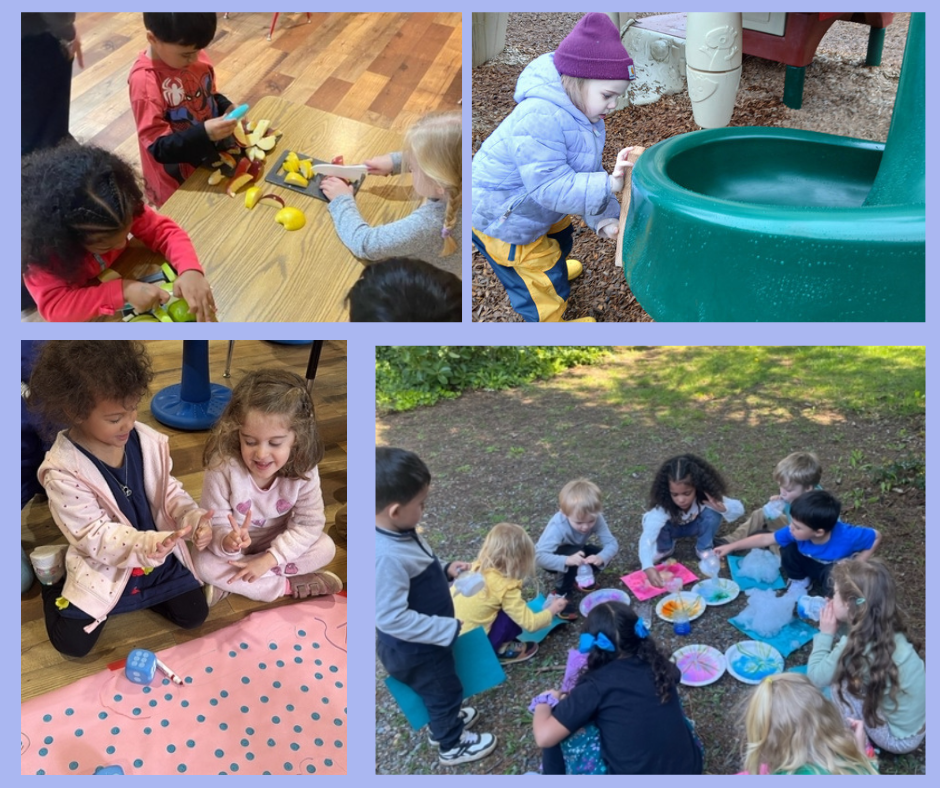
This class enjoys the exclusive opportunity for off-site field trips. These excursions provide hands-on experiences that allow children to engage deeply with their local community. Whether we are exploring local beaches, visiting the kangaroo farm, riding the Kingston Ferry, or playing at nearby parks, we prioritize discovery and fun. To ensure the highest level of safety and supervision, we maintain a strict ratio with at least four teachers attending every trip. Transportation and sack lunches are provided; we just ask that families provide us with a car seat on field trip days.
Quiet Time & Afternoon Rest
We encourage a 45-minute quiet rest period on cots starting at approximately 1:00 PM. If a child remains awake and restless after 45 minutes, they are invited to engage in quiet table activities to respect the rest of those who are still napping as well as that child’s own autonomy. To ensure a smooth transition to the elementary school schedule, students heading to kindergarten in the fall will phase out naps beginning in July each year. During the classroom's designated quiet time, these students will be provided with extended outdoor time. This intentional shift in routine is designed to help children adjust to a full-day school schedule comfortably and confidently.
Cultivating Independence & Community Leadership
In this classroom, we move beyond basic self-help to focus on social responsibility and personal autonomy. This stage is where the foundational work from our previous classrooms truly shines, as children begin to take full ownership of their daily routines through three developmental pillars:
Mealtime & Organizational Mastery: Children exercise autonomy during meals and take pride in managing their personal belongings. They are now fully or nearly fully independent in toileting, dressing themselves, and proactively tidying their spaces to keep our shared community clean.
Refined Communication: Students can clearly and confidently articulate their needs to both teachers and peers, reducing frustration and fostering a positive classroom climate.
Social Evolution: We see a beautiful shift from individual play to associative and cooperative play. Children begin to work together toward common goals, negotiate social roles, and build deeper friendships.
Daily Communication
We utilize the Brightwheel app for seamless updates on your child’s day. Each day, you can expect a digital record of Feedings, Nap Times & Duration, Diapering & Personal Care as well as Photos of your child’s daily discoveries and interactions.
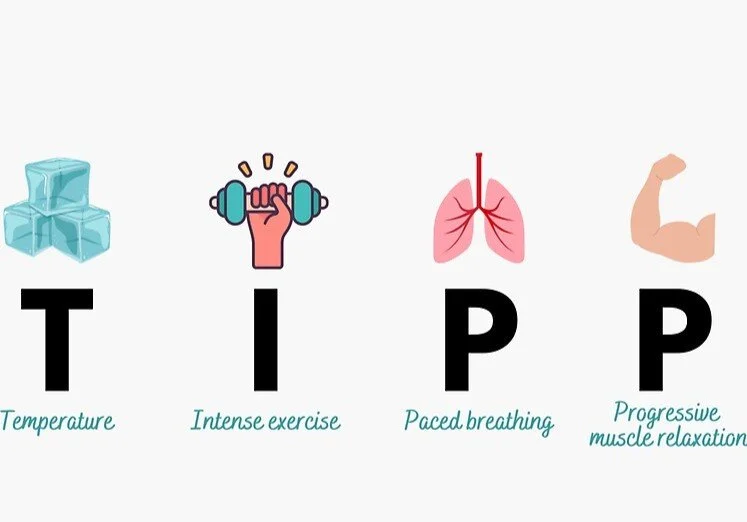
Advanced Emotional Regulation: The TIPP Method
In this classroom, children utilize advanced emotional regulation through the TIPP framework (details provided in the link below). We believe in proactive learning; rather than waiting for a big emotion to happen, we integrate these tools into our daily circle time.
Throughout the year, our teachers guide children through:
Breathing Techniques: Practicing various methods to find what feels best.
Temperature Exploration: Discovering how ice packs or heating packs can shift their internal state.
Physical Exercise: Using movement to release energy and regulate the body.
Emotional Literacy: Discussing and identifying feelings in a safe, group environment.
*** The goal is for children to build a personal toolkit of strategies to calm their nervous systems and rejoin classroom play. At this developmental stage, teachers provide gentle guidance to help children navigate their options. This may include a teacher walking a child through their choices verbally or using a visual poster so the child can point to the strategy they wish to try.