Lil Llamas 2.5 years - 3.5 years
The Lil Llamas Classroom
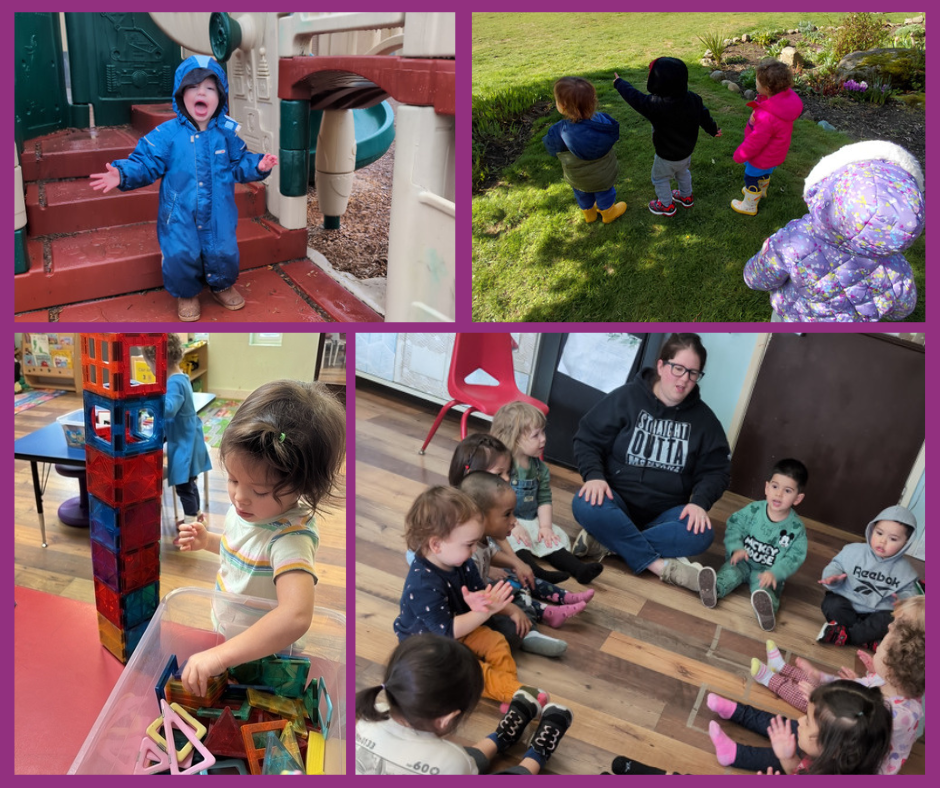
In the Lil Llamas class, children expand their horizons by moving beyond self-discovery to explore the broader community and the world around them. In this classroom, we introduce a more advanced curriculum featuring enriched, developmentally appropriate educational activities designed to challenge and engage growing minds.
Fostering Independence & Social Responsibility
In this classroom, we move beyond basic self-help to focus on social responsibility and personal autonomy. We empower children to take ownership of their day through the following developmental pillars: mealtime autonomy & responsibility, organizational skills and effective & social communication.
Small Group Time
Every day, our students participate in small-group sessions designed to meet them exactly where they are. By splitting into smaller cohorts, our teachers can adapt activities to fit each child's current learning level. Our regular developmental assessments act as a roadmap—if we notice a group is working toward a specific milestone, we tailor our small-group activities to help them master those skills with confidence.
Potty Training Partnership
We do not require children to be potty trained before entering this classroom. Instead, we view this stage as the foundational start of their journey. Our process is designed to be low-pressure and highly collaborative:
Introduction & Routine: We begin the potty-training process by inviting children to sit on the toilet during every scheduled bathroom transition. This builds familiarity and comfort with the routine.
Observation & Readiness: Our teachers carefully monitor each child’s progress. Once we notice a consistent pattern of dry diapers and successful toilet use, a teacher will reach out to you to discuss the next steps.
Individualized Approach: We recognize that every child is different. Our goal is to maintain active, open communication with your family to determine and implement the potty-training method that works best for your child’s unique needs.
Quiet Time & Afternoon Rest
We encourage a 45-minute quiet rest period on cots starting at approximately 12:45 PM. If a child remains awake and restless after 45 minutes, they are invited to engage in quiet table activities to respect the rest of those who are still napping as well as that child’s own autonomy.
Our Wake-Up Routine:
2:00 PM: We begin a gradual wake-up process by opening the curtains and allowing natural light to fill the room.
2:30 PM: Teachers gently assist any children who are still sleeping.
3:00 PM: All children are up and ready for our scheduled afternoon snack.
By capping our nap time at 3:00 PM, we provide a wider-awake window in the evening, which many families find helps support a smoother bedtime routine at home.
Organizational Skills: We encourage children to take pride in their classroom and personal space.
Personal Belongings: Children manage their own gear, independently retrieving items from their cubbies for outdoor play and returning them afterward.
Transitions: We teach the importance of "closure" by encouraging children to tidy one area before moving on to a new activity.
Effective & Social Communication: Communication in this classroom evolves from basic needs to complex social interactions:
Self-Advocacy: Students master expressing essential needs, such as hunger, thirst, rest, and bathroom requirements.
Peer Dynamics: Children begin to navigate social play effectively. This includes inviting peers to play, setting healthy boundaries (e.g., "I need space"), holding one another accountable for shared messes, and engaging in collaborative storytelling.
Daily Communication
We utilize the Brightwheel app for seamless updates on your child’s day. Each day, you can expect a digital record of Feedings, Nap Times & Duration, Diapering & Personal Care as well as Photos of your child’s daily discoveries and interactions.
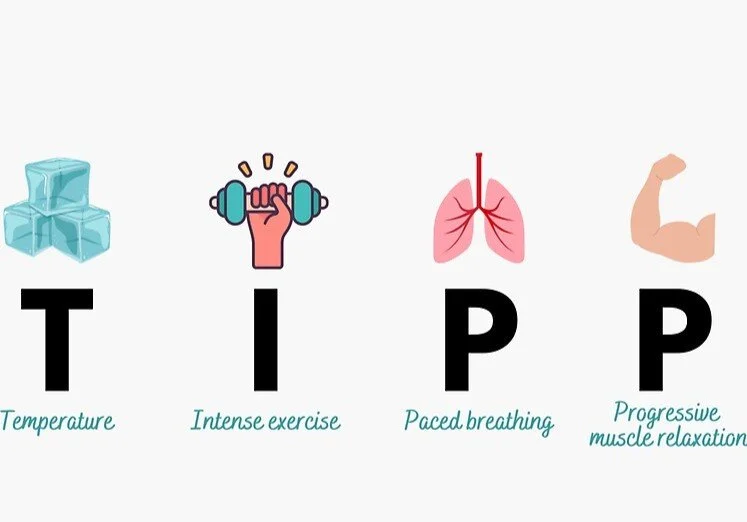
Advanced Emotional Regulation: The TIPP Method
In this classroom, children begin learning advanced emotional regulation through the TIPP framework (details provided in the link below). We believe in proactive learning; rather than waiting for a big emotion to happen, we integrate these tools into our daily circle time.
Throughout the year, our teachers guide children through:
Breathing Techniques: Practicing various methods to find what feels best.
Temperature Exploration: Discovering how ice packs or heating packs can shift their internal state.
Physical Exercise: Using movement to release energy and regulate the body.
Emotional Literacy: Discussing and identifying feelings in a safe, group environment.
*** The goal is for children to build a personal toolkit of strategies to calm their nervous systems and rejoin classroom play. At this developmental stage, teachers provide gentle guidance to help children navigate their options. This may include a teacher walking a child through their choices verbally or using a visual poster so the child can point to the strategy they wish to try.